English
 русский
 عربى
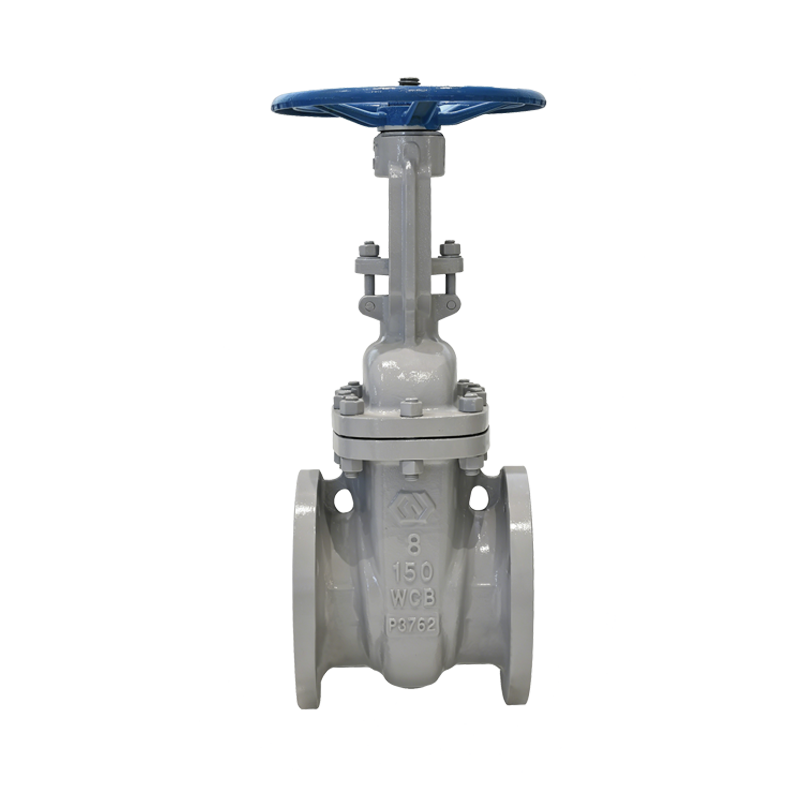
In oil and gas pipelines, power generation facilities, and industrial processing plants, reliable flow isolation is essential for safe and efficient operations. However, choosing a gate valve involves more than checking its nominal size and pressure rating. Buyers also need to consider operating conditions, sealing performance, maintenance requirements, and applicable industry standards. An Api Standard Gate Valve With Handwheel provides a practical manual isolation solution for applications where operators need direct control without relying on external power. Understanding the following seven factors can help engineers and procurement teams make better purchasing decisions.
1. Check API Standards Before Placing an Order
Standards compliance should be one of the first considerations when sourcing industrial gate valves. API 600 is an important reference for bolted-bonnet steel gate valves used in petroleum and related industries. However, buyers should not assume that every product described as an API standard gate valve automatically meets all API 600 requirements.
Before requesting a quotation, confirm the applicable standard, valve design, pressure class, material specifications, inspection procedures, and documentation requirements. For project-based procurement, the technical datasheet and approved specifications should be consistent with the purchase order. This helps reduce discrepancies between the supplied equipment and the original engineering requirements.
2. Select the Right Valve Materials for the Operating Medium
Valve material selection directly affects service life and operating reliability. Carbon steel is commonly considered for general industrial and pipeline applications, while stainless steel and alloy steel may be required for corrosive media, higher temperatures, or other demanding service conditions.
Engineers should evaluate several factors before selecting a material:
- Fluid composition: Identify whether the medium contains corrosive chemicals, moisture, or abrasive particles.
- Operating temperature: Check the temperature range and its effect on the body, trim, and sealing components.
- Pressure conditions: Match the pressure class to the actual operating and design requirements.
- Material compatibility: Verify that all pressure-containing components are suitable for the intended service.
Providing these details during the quotation stage allows manufacturers to recommend a more appropriate valve configuration.
3. Understand How the Handwheel Operating Mechanism Works
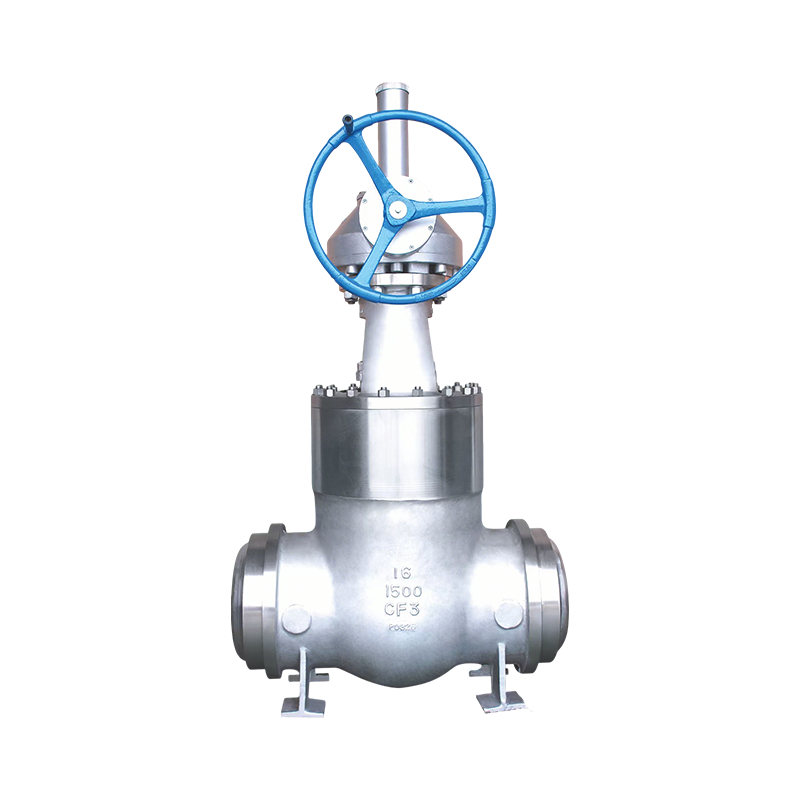
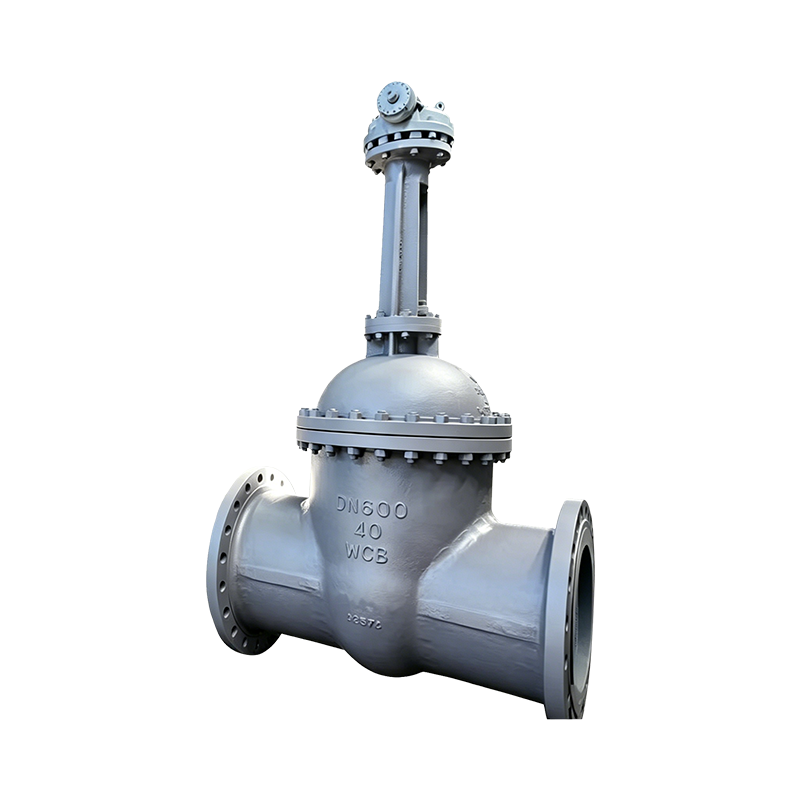
A handwheel-operated gate valve uses a rotating handwheel to move the gate between its open and closed positions. This straightforward operating arrangement is useful in facilities where manual isolation is sufficient and electrical or pneumatic actuation is not necessary.
For operators, handwheel size, stem arrangement, installation clearance, and required operating torque are practical considerations. Rising-stem designs also provide a visible indication of valve position, which can help maintenance personnel identify operating status during routine inspections. However, buyers should check the available installation space, especially in compact equipment rooms or locations with restricted overhead clearance.
4. Pay Attention to Stem Packing and Leakage Prevention
Valve leakage is an important concern in oil and gas facilities, particularly where equipment operates continuously or handles potentially hazardous media. The stem packing forms a sealing barrier around the valve stem, helping prevent process fluid from escaping through the bonnet area.
Buyers should ask manufacturers about packing materials, gland construction, maintenance accessibility, and applicable low-emission requirements. Where fugitive-emission performance is specified, relevant testing and supporting documentation should be requested rather than relying on general product descriptions.
Routine inspection and proper packing adjustment can also help maintain sealing performance throughout the valve's service life.
5. Consider Installation Conditions and Maintenance Access
Even a correctly selected valve can create operational difficulties if its installation environment is overlooked. Before finalizing the valve dimensions, engineers should check pipeline orientation, face-to-face dimensions, connection type, handwheel clearance, and access for future maintenance.
For large-diameter or higher-pressure valves, operating effort may become an important consideration. If manual operation is not practical under actual site conditions, a gearbox or another suitable operating arrangement may need to be evaluated. The final configuration should always match the project's operating procedures and safety requirements.
6. Request Inspection Records and Technical Documentation
For overseas industrial procurement, product quality needs to be supported by verifiable manufacturing and inspection records. A professional valve manufacturer should be able to clarify the inspection scope and documentation available for the specific order.
Depending on the project specification, buyers may request:
- Material certificates and traceability records.
- Pressure and leakage test reports.
- Dimensional inspection records.
- Applicable standard and compliance documentation.
- Product drawings and technical datasheets.
Confirming these requirements before production helps avoid documentation gaps during inspection, delivery, and project acceptance.
7. Work with a Manufacturer That Understands Project Requirements
Price is only one part of a successful valve purchasing decision. Manufacturing experience, engineering communication, production consistency, and after-sales support also influence the overall procurement process. When comparing suppliers, buyers should evaluate whether the manufacturer can understand technical specifications, provide clear product information, and coordinate inspection and delivery requirements.
At the quotation stage, sharing the required valve size, pressure class, material, connection type, operating medium, temperature range, and applicable standards can help the manufacturer prepare a more accurate proposal. This is particularly useful for distributors, EPC contractors, and industrial buyers handling multiple valve specifications within one project.
Choosing the right Api Standard Gate Valve With Handwheel requires a balance of standards compliance, material compatibility, reliable sealing, convenient operation, and manageable maintenance. By reviewing these factors before ordering, engineering teams and purchasing professionals can reduce specification mismatches and select equipment that better suits their actual operating conditions. Working with an experienced manufacturer also makes it easier to clarify technical details and source suitable manual gate valves for long-term industrial applications.