+86-15857877666
Home / Products / Butterfly Valve
Quarter-turn flow control
Butterfly valves. Engineered to move flow.
ANSI(API)、DIN、GOST、EN、JIS、GB etc.
Compact isolation and control solutions for water, power, chemical, oil & gas and industrial process systems—selected around your media, pressure, temperature and operating duty.
Home / Products / Butterfly Valve
01 · Definition & travel

What is a butterfly valve?

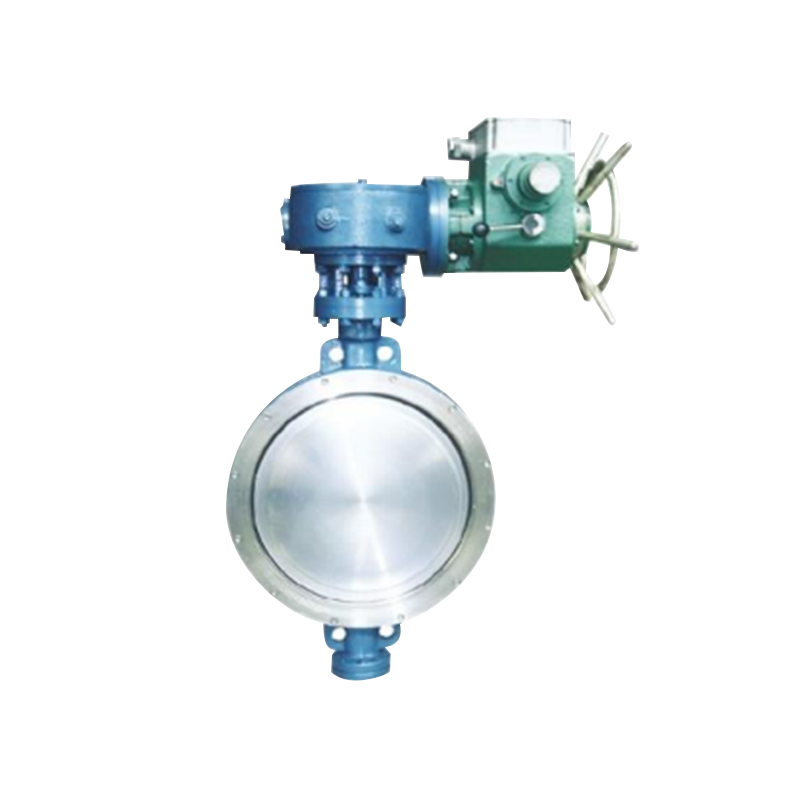
A butterfly valve is a quarter-turn rotary valve. The disc moves through approximately 90° from fully closed—across the bore—to fully open—nearly parallel with the flow.
Because the disc remains in the flow path, butterfly-valve selection must consider pressure drop, flow velocity, cavitation risk, throttling angle, dynamic torque and media compatibility. The short face-to-face dimension and low mass make the design especially attractive for large diameters.
A compact rotary valve in which a circular disc turns around a stem inside the flow passage to start, stop or regulate the medium.
BOYE VALVE GROUP CO., LTD.

Interactive 0° / 90° travel

03 · Applications
Where are ball valves used?
Ball valves are selected where tight isolation, low torque, quarter-turn operation and compact installation are required. Common duty areas include:
  • Power Plant

    +

    Power Plant

    Provides high-pressure, high-temperature valve solutions for thermal and nuclear power plants, ensuring safe and stable steam and feedwater control.

    + Learn More
  • Water Conservancy

    +

    Water Conservancy

    Supplies large-diameter gate valves, butterfly valves, and check valves for water conservancy projects to ensure efficient water conveyance and flood control.

    + Learn More
  • Oil Industry

    +

    Oil Industry

    Delivers reliable pipeline valves for the oil industry, suitable for high-strength and corrosion-resistant requirements in crude oil extraction and long-distance transportation.

    + Learn More
  • Chemical

    +

    Chemical

    Manufactures acid and alkali resistant ball valves, globe valves, and check valves made of stainless steel and alloy materials, precisely controlling the flow of various corrosive media.

    + Learn More
  • New Energy

    +

    New Energy

    Focuses on high-purity and zero-leakage valves for new energy fields such as photovoltaics and hydrogen energy, meeting the stringent requirements of clean energy production.

    + Learn More
04.Construction
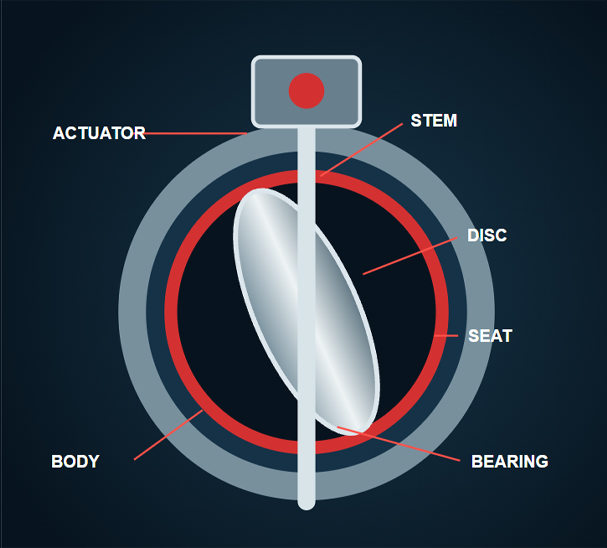
What are the main parts of a butterfly valve?
Each component affects pressure integrity, shutoff, torque, corrosion resistance and service life.
  • 01
    Body
    Contains pressure and connects to the pipeline in wafer, lug, flanged or butt-weld form. Material selection follows pressure, temperature, corrosion and piping loads.
  • 02
    Disc
    The rotary closure element. Its profile, thickness, edge finish and material influence flow capacity, turbulence, torque and seat life.
  • 03
    Stem / shaft
    Transmits actuator torque to the disc. One-piece or split-shaft designs require adequate strength, corrosion resistance and blowout protection.
  • 04
    Seat / sealing ring
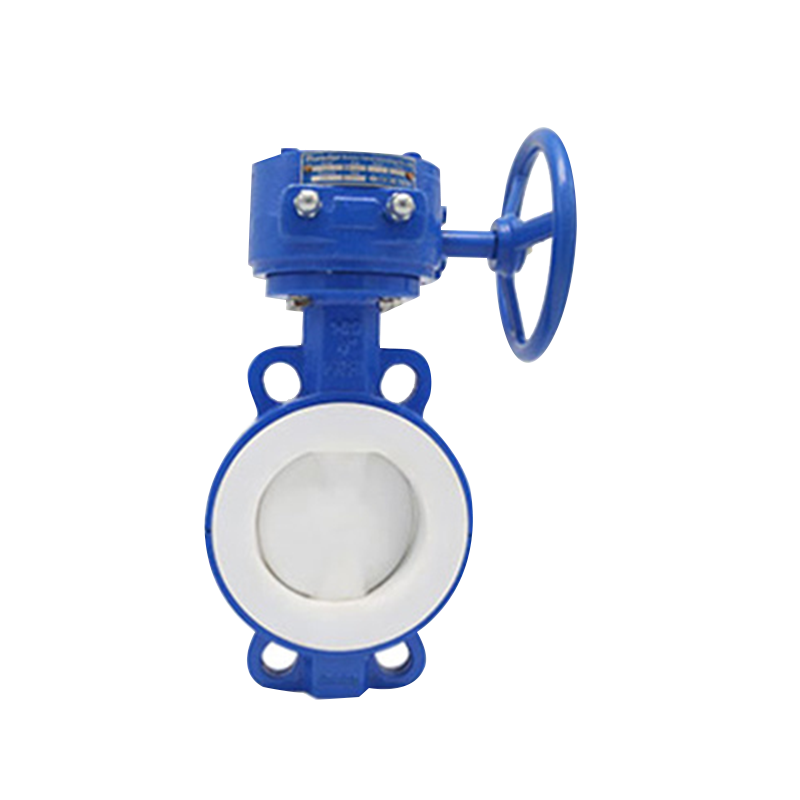
    Provides shutoff with elastomer, polymer, laminated metal or solid metal construction. Temperature and chemistry must be checked for the complete sealing system.
  • 05
    Bearings & stem seals
    Support the shaft, control friction and prevent external leakage. Packing, O-rings, thrust elements and bushings are selected for the stated duty.
  • 06
    Operator / actuator
    Lever, worm gearbox, pneumatic, electric or hydraulic equipment converts input into controlled 90° travel and must be sized from worst-case torque.
05 · Operating principle
How does a butterfly valve work?
  • Isolation
    0° / CLOSED
    The disc spans the bore and the disc edge engages the seat or sealing ring. Differential pressure and seal geometry determine the seating load and leakage performance.
  • Regulation
    10–70° / CONTROL
    Rotating the disc changes flow area. Stable throttling depends on valve sizing, control characteristic, velocity, cavitation margin, noise limits and actuator resolution.
  • Full flow
    90° / OPEN
    The disc is approximately parallel with the medium. The disc and shaft remain in the bore, so some pressure loss and dynamic torque remain even when fully open.
06.Type comparison
Which butterfly valve construction fits your duty?
Offset count is not a quality ranking. Select from the actual service envelope, sealing system and lifecycle requirement.
Type Key advantages Limitations Best-fit service
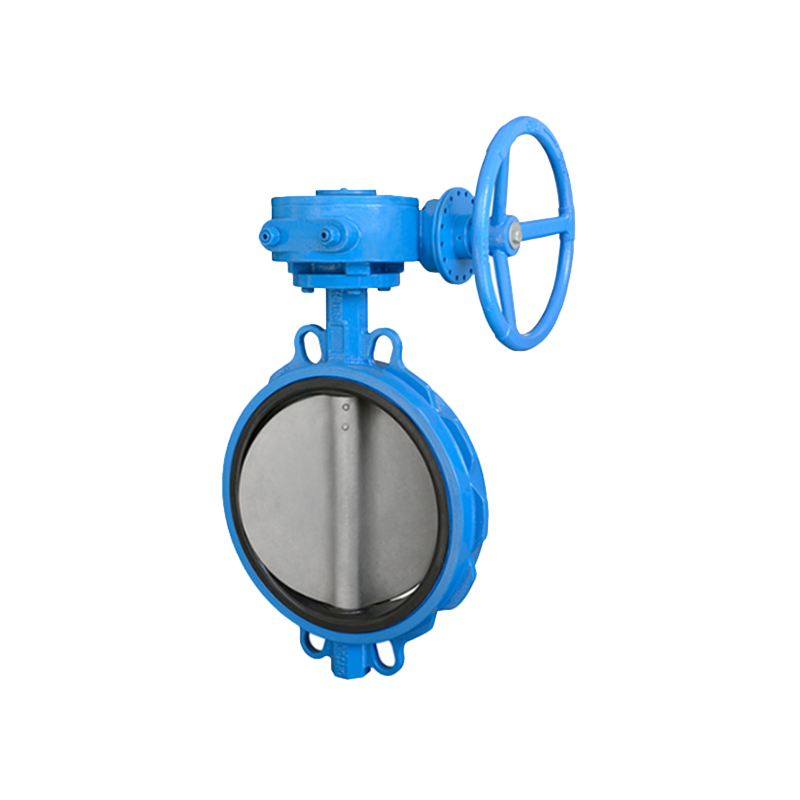
Concentric resilient-seated Economical, compact, tight shutoff, replaceable liner, low mass. Disc-seat contact throughout travel; seat temperature and chemical limits; not the default for severe abrasion or high-temperature duty. Water, HVAC, air, fire-water, irrigation and compatible utility systems.
Double-offset Reduced seat rubbing, lower wear, efficient torque, higher pressure-temperature capability than many concentric designs. Soft-seat limits still govern; directionality and shutoff basis must be confirmed; higher initial cost. Process water, gas, oil, chemical utilities, district energy and power auxiliaries.
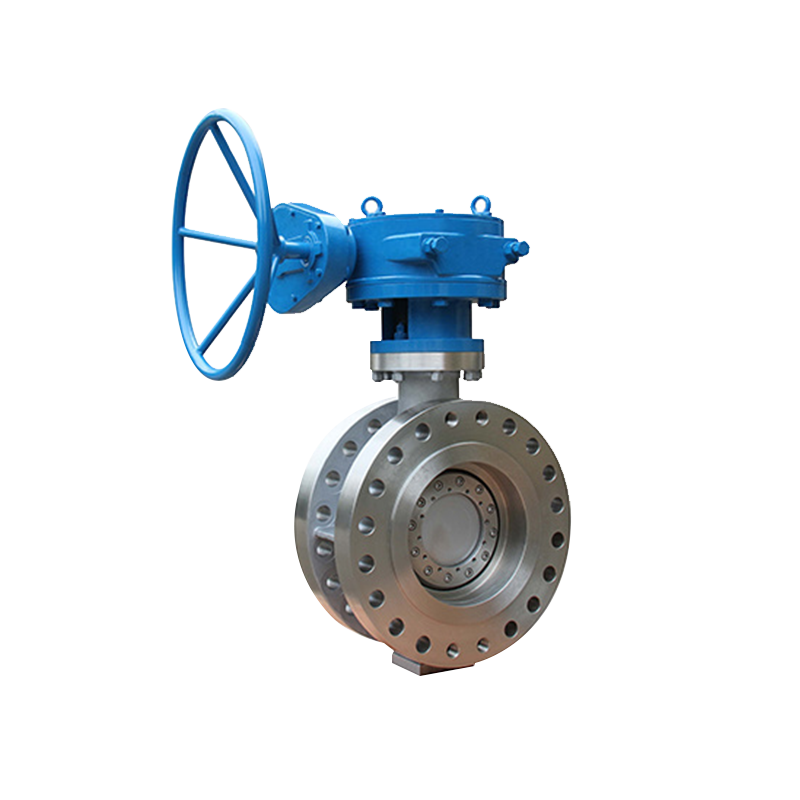
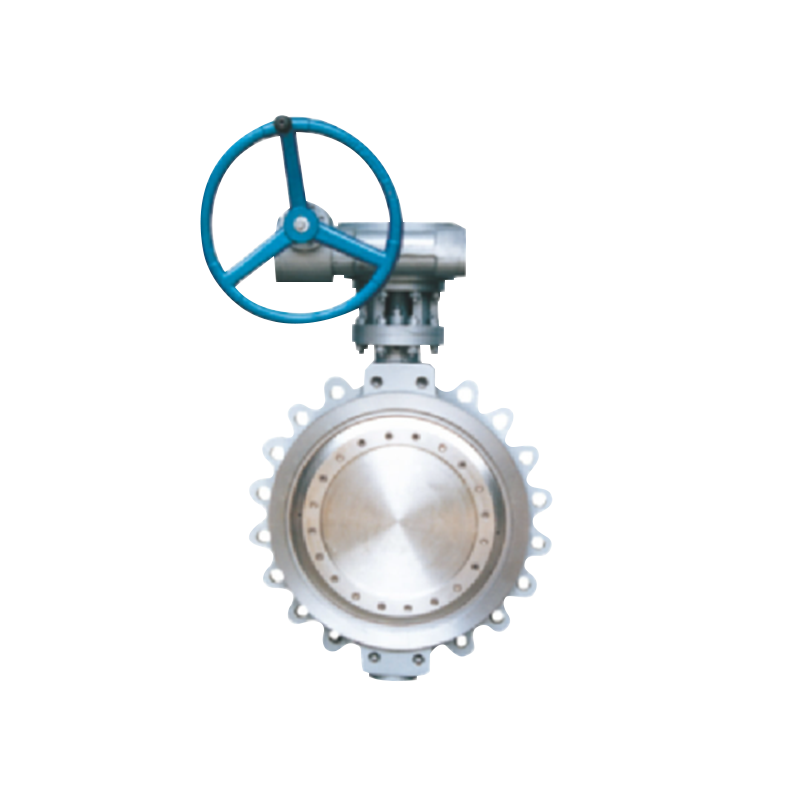
Triple-offset metal-seated Near frictionless seating, metal seal options, strong thermal capability, suitable for demanding cycles and critical isolation. Higher price, weight and repair complexity; leakage class and fire-safe claims require configuration-specific evidence. Steam, hot gas, hydrocarbons, high-temperature service and severe industrial isolation.
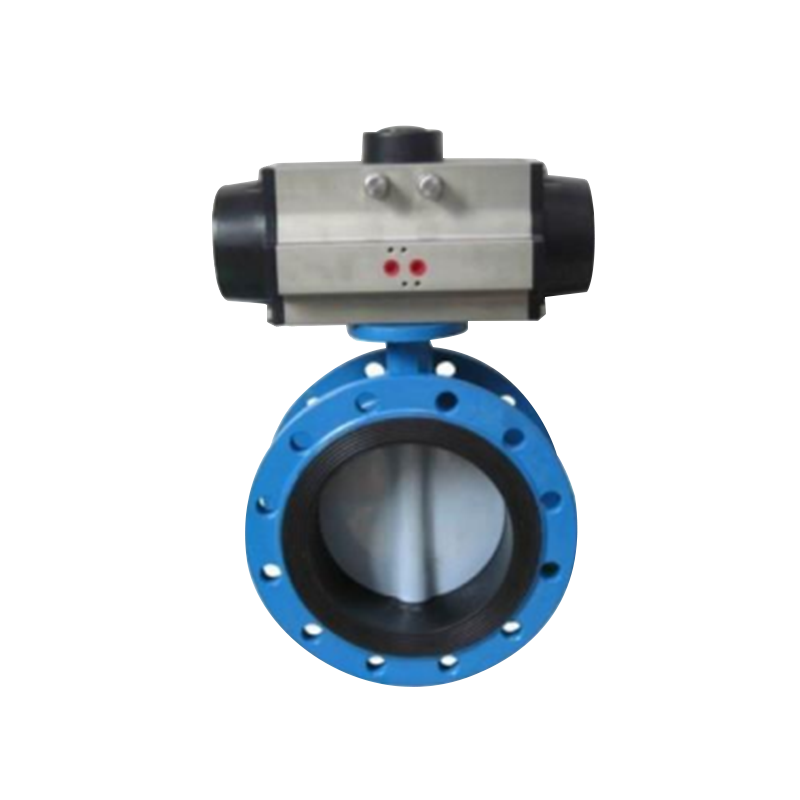
Pneumatic actuated Fast cycles, simple automation, fail-safe spring-return options, suitable for hazardous-area packages. Requires clean instrument air; speed control and air-failure position must be defined. Frequent on/off duty, ESD, batch processes and automated production lines.
Electric actuated No instrument air, easy remote integration, modulating options, adjustable travel and torque switches. Typically slower; enclosure, power, ambient conditions, duty cycle and emergency operation require review. Remote stations, water networks, utilities and plants with electrical control infrastructure.
07.Procurement guide
What should you define before buying a butterfly valve?
A complete service description reduces technical deviations, quotation delays and lifecycle risk.
  • 01
    Industry and operating duty

    State the plant and function: chemical processing, power generation, steelmaking, nuclear auxiliary system, water treatment, oil & gas, isolation, control or emergency shutdown. Include operating frequency and required design life.

  • 02
    Medium and process envelope

    Identify fluid, phase, solids content, concentration, corrosion, erosion, viscosity and toxicity. Define normal/design pressure, differential pressure, minimum/maximum temperature, velocity and flow direction.

  • 03
    Materials and sealing system

    The medium largely determines body, disc, stem, seat, packing, bearing and gasket materials. Typical choices include ductile iron, carbon steel, stainless steel, duplex, alloy steel, elastomers, PTFE-family polymers and metal seals.

  • 04
    Connection and piping interface

    Specify flange standard, facing, pipe schedule, face-to-face dimension, mating flange bore and whether dead-end service is required.

  • 05
    Installation and operation

    Confirm line orientation, access, insulation, buried/remote location and available utilities. Use a lever for small, accessible valves; a worm gearbox to reduce manual effort on larger/high-torque valves; pneumatic actuation for fast fail-safe duty; or electric actuation for remote control without air. Gear reduction lowers handwheel force but increases operating time.

Start a technical RFQ

Share the core data below. The generated email keeps your engineering request structured.

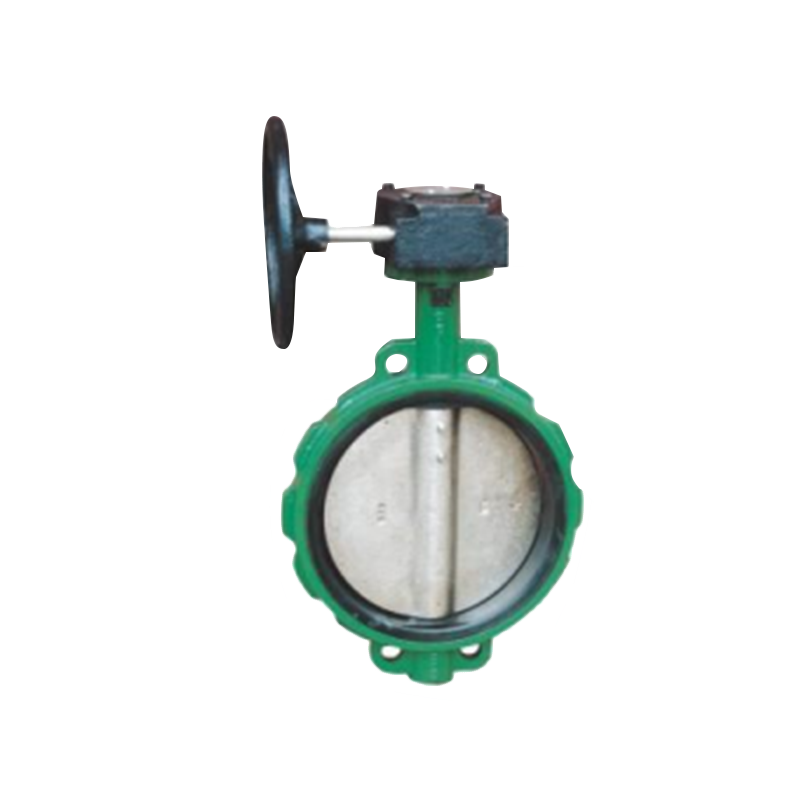
  • Wafer
    Clamped between two mating flanges. The lightest and most economical option where compact installation and normal in-line service are priorities.
  • Lug
    Threaded or through-hole lugs align with each flange. Useful where one pipe side may be removed or dead-end service is required—subject to the manufacturer’s rating.
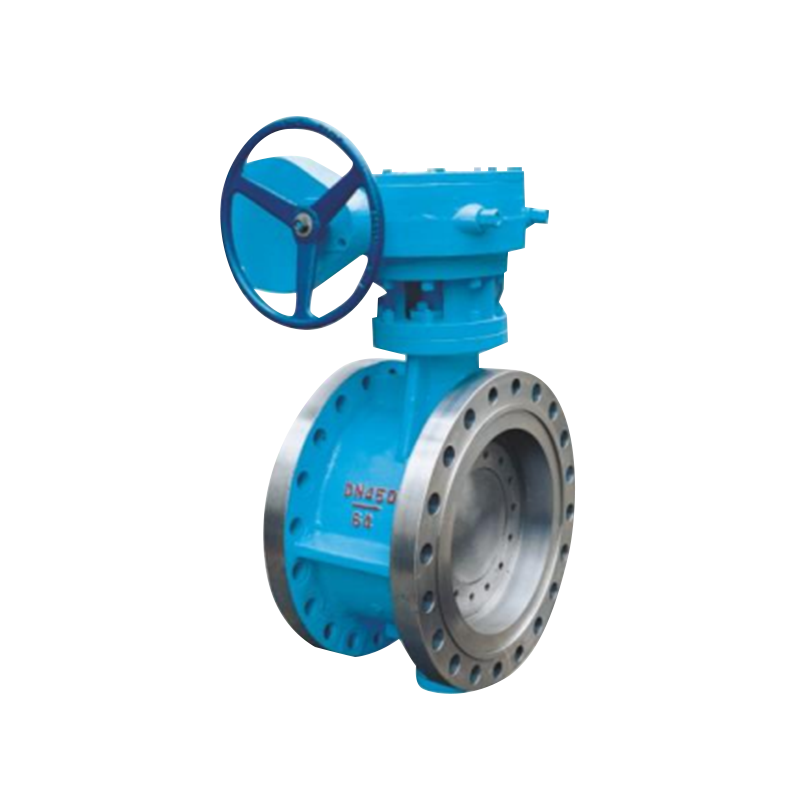
  • Double-flanged
    Integral flanges provide robust alignment for large diameters, higher piping loads, buried lines and critical water or process installations.
  • Butt-weld
    Welded directly into the line for high-integrity, high-temperature or zero-flange-leak-path service. Removal and maintenance require planned cutting or field procedures.
08.Specification summary
Build the correct butterfly valve specification.
  • Construction

    Concentric resilient-seated · Double-offset high-performance · Triple-offset metal-seated

  • Body material

    Cast iron · Ductile iron · Carbon steel · Stainless steel · Duplex stainless steel · Alloy steel · Nickel alloy, as service requires

  • Internal parts

    Disc: ductile iron / CF8M / duplex / alloy · Stem: 13Cr / 17-4PH / 316 / duplex / alloy · Bearings and retainers to service

  • Seat / sealing surface

    EPDM · NBR · PTFE / RPTFE · FKM · Laminated graphite/metal · Solid or hardfaced metal, verified against the full pressure-temperature-chemical envelope

  • Connection

    Wafer · Lug · Double-flanged · Butt-weld · Other project-specific ends

  • Actuation

    Lever · Worm gearbox · Pneumatic · Electric · Hydraulic · Extension stem / chainwheel where installation requires

  • Reference standards

    API 609 · EN 593 · ISO 5752 · MSS SP-67 · BS 5155 · GB/T 12238, as applicable to the selected design and project

09 · Valve selection
Why choose a butterfly valve over a gate or globe valve?
  • Shorter face-to-face
    Butterfly valves occupy substantially less pipeline length than many gate and globe valves, supporting compact skids and congested plant layouts.
  • Lower mass
    The body and closure geometry usually require less material, easing lifting, support loads, shipping and installation—particularly at large diameters.
  • Fast quarter-turn operation
    A 90° movement reaches full travel faster than the multiple stem turns of typical gate and globe valves, improving remote automation and response time.
  • Economical large-bore isolation
    Material efficiency and compact actuation can make butterfly valves commercially attractive for large cooling-water, utility and distribution lines.
  • Useful throttling capability
    Unlike a gate valve, a correctly sized butterfly valve can regulate flow over a defined operating range. It is not a universal replacement for a purpose-designed globe control valve.
  • Straightforward automation
    Quarter-turn gearboxes and standardized pneumatic, electric or hydraulic actuator packages simplify remote on/off and modulating control.
  • Fewer major parts
    A compact body, disc and stem assembly can reduce part count, cavities and routine maintenance compared with more complex linear-motion constructions.
  • Flexible installation options
    Wafer, lug, flanged and welded designs can match weight, alignment, dead-end, integrity and maintenance requirements across diverse piping systems.
content
Click to consult BOYE’s exclusive quotation and get the industry-leading 30% performance improvement solution immediately!