English
 русский
 عربى
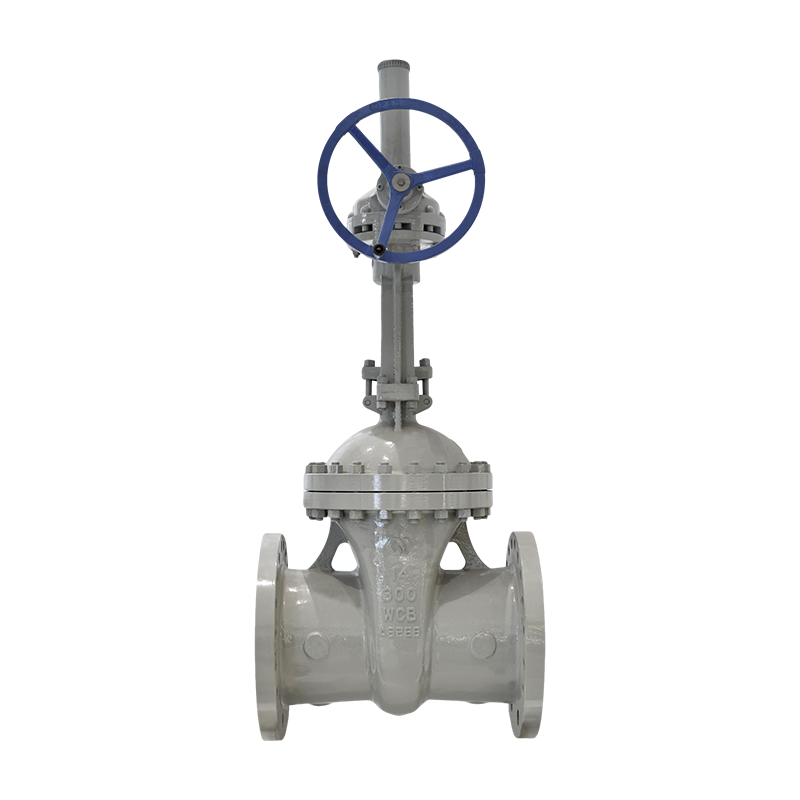
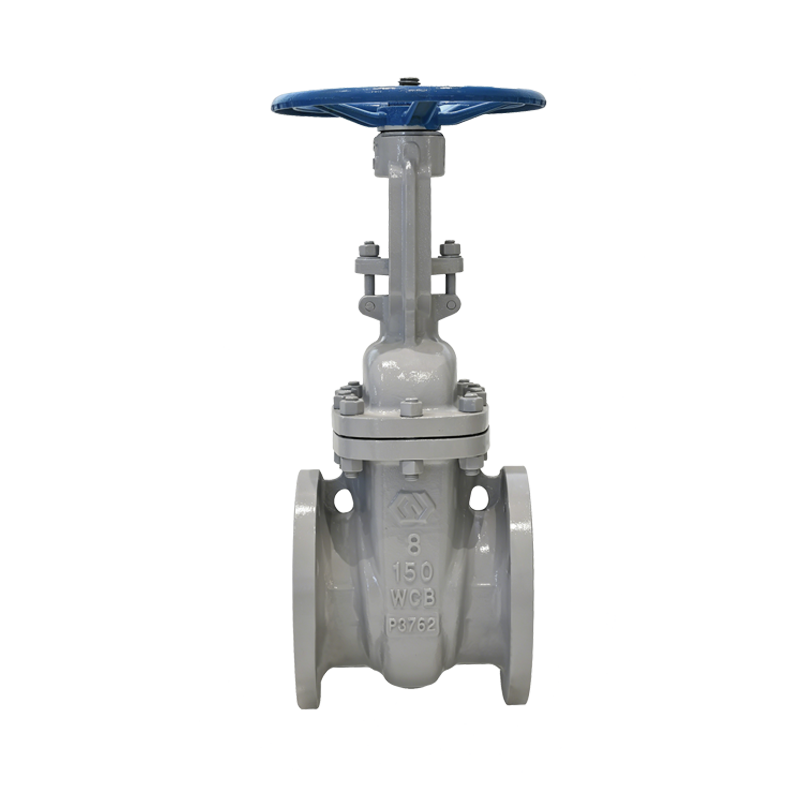
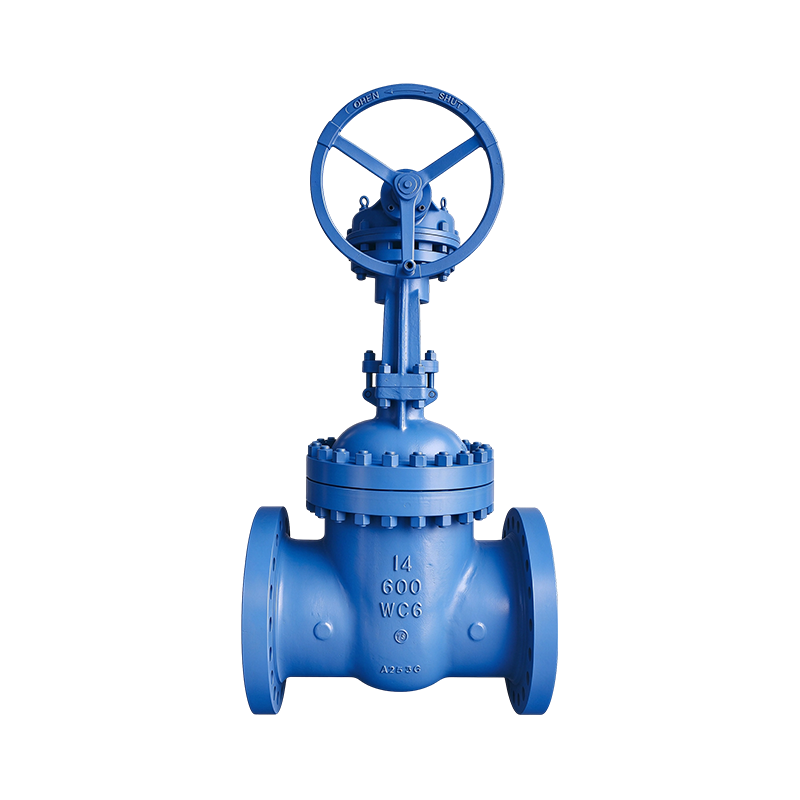
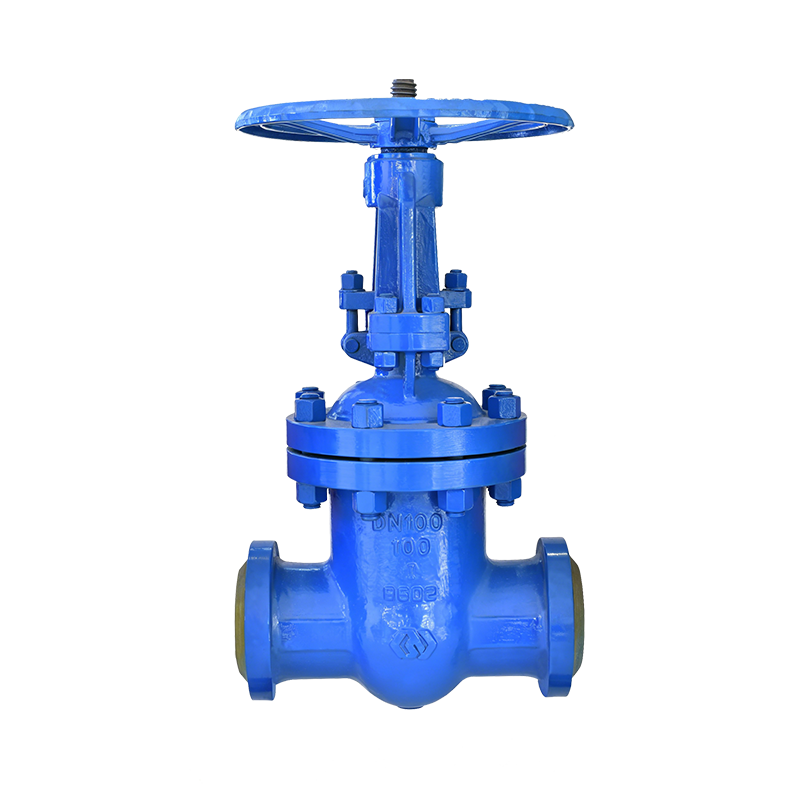
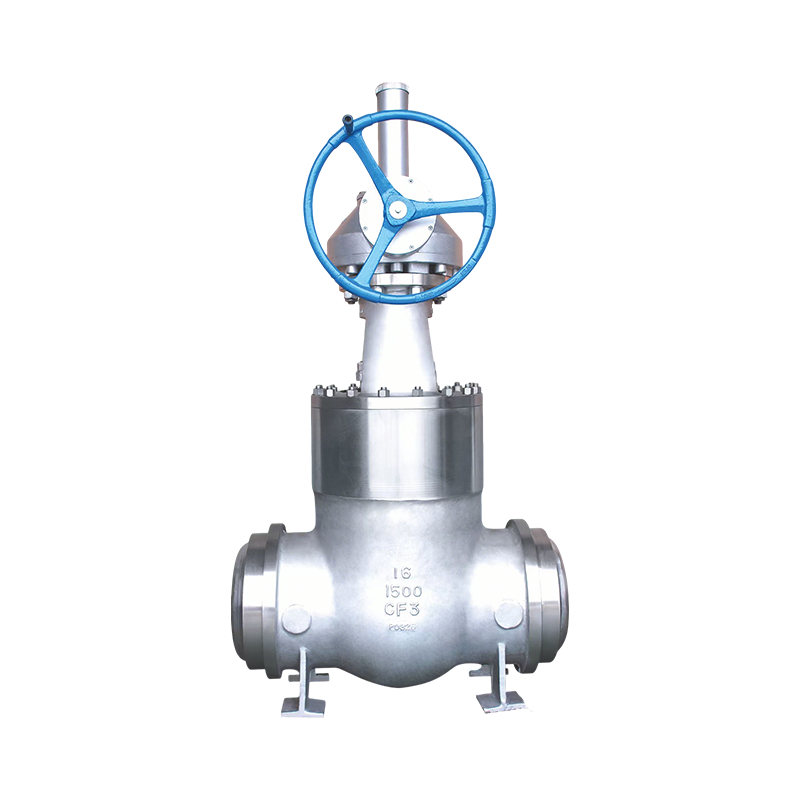
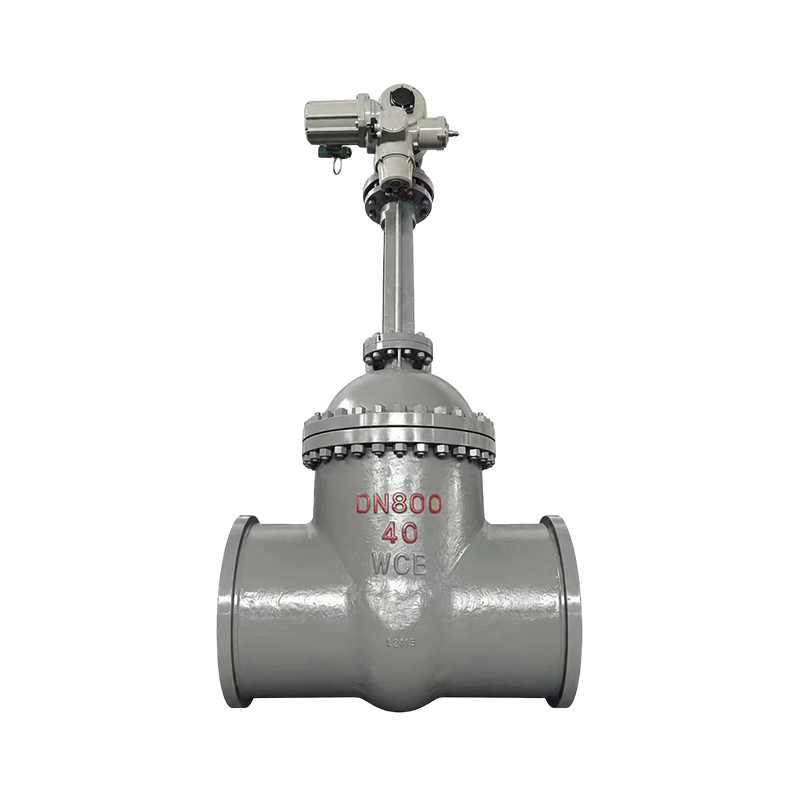
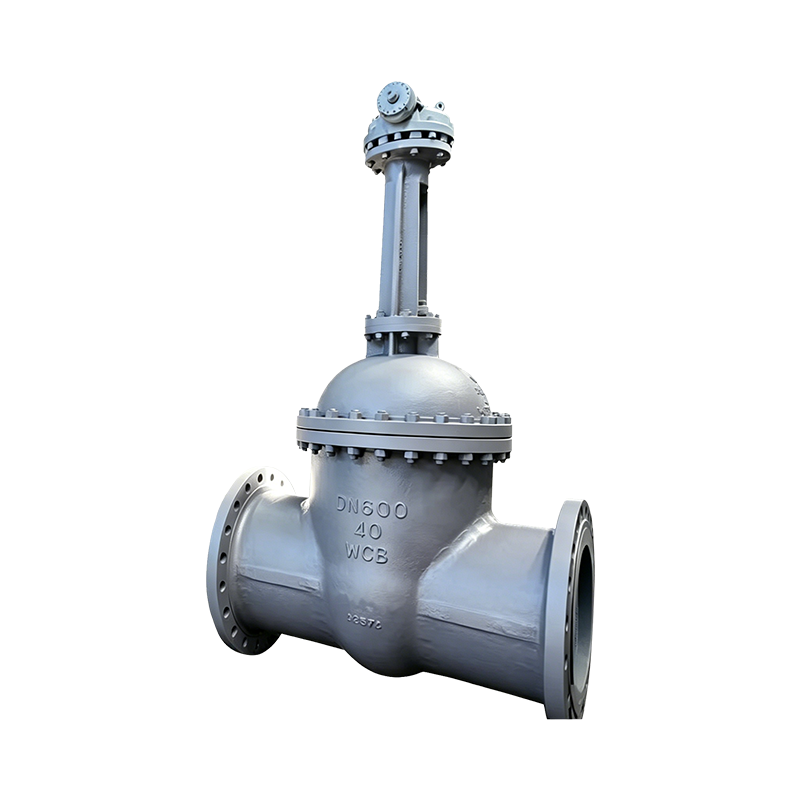
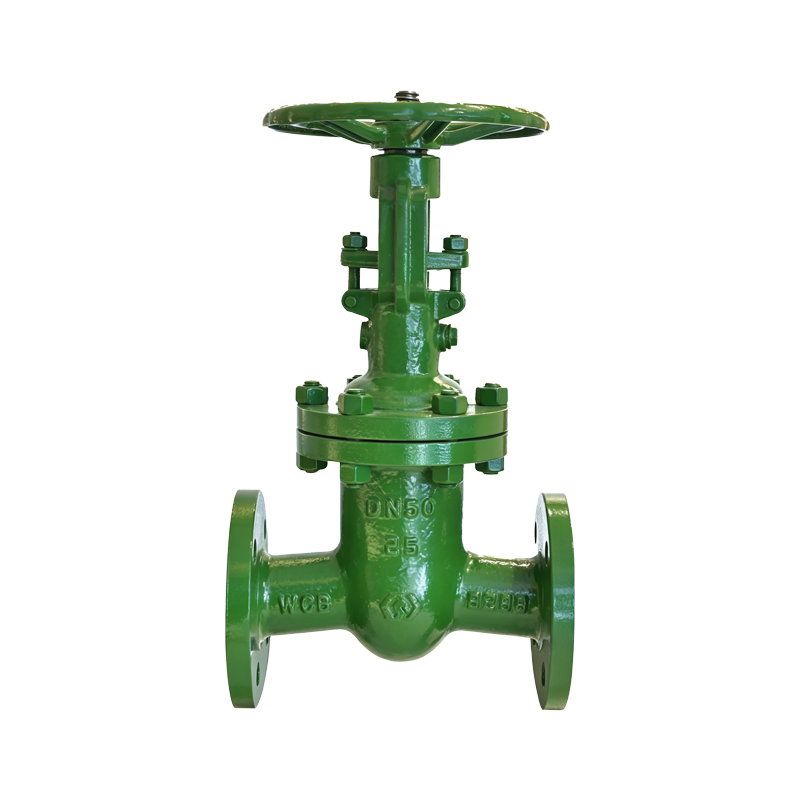
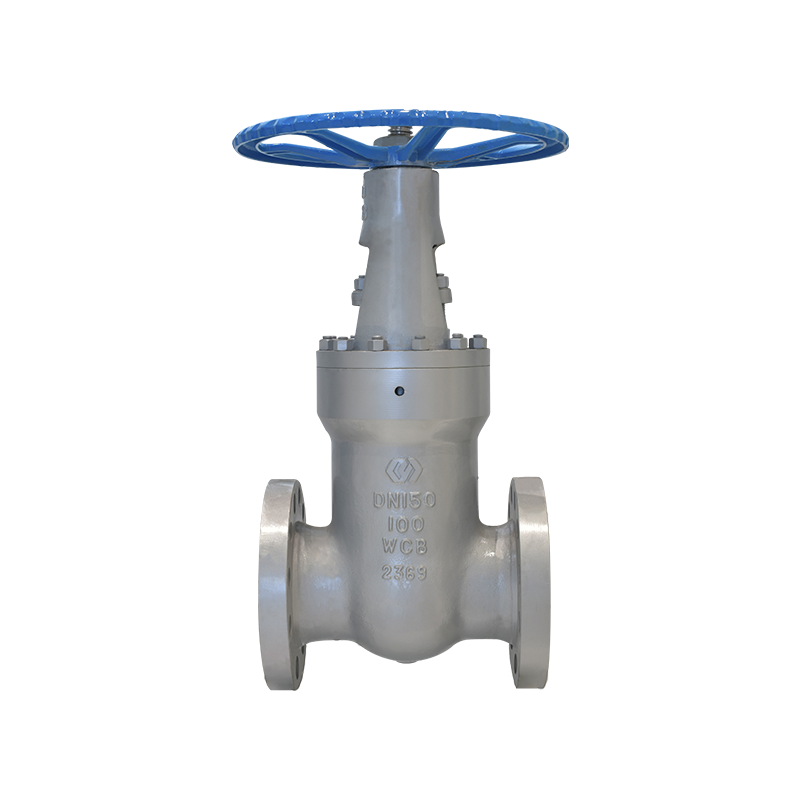
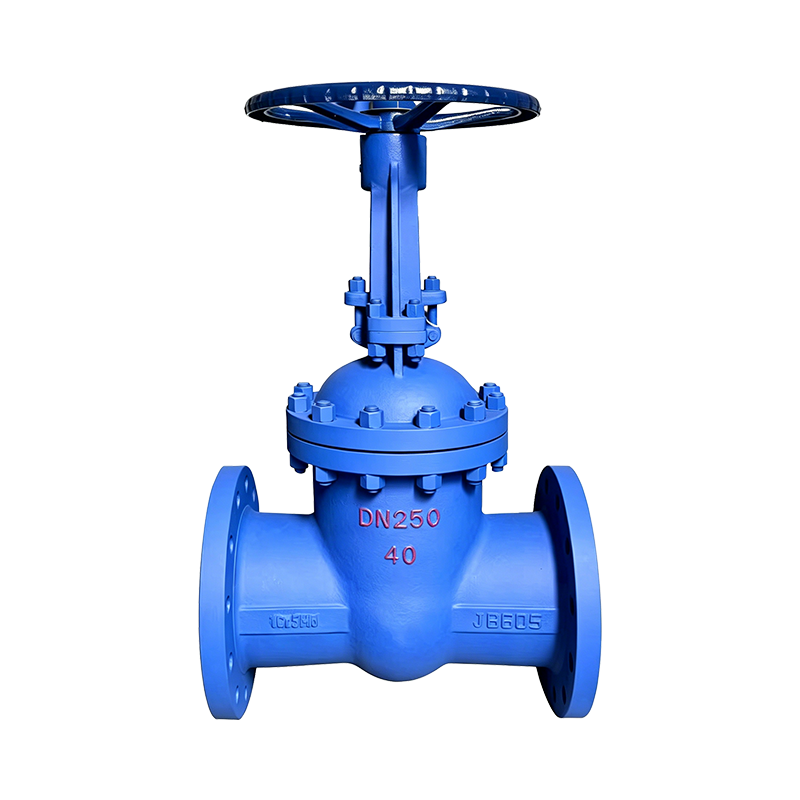
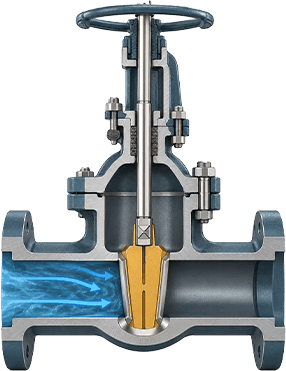
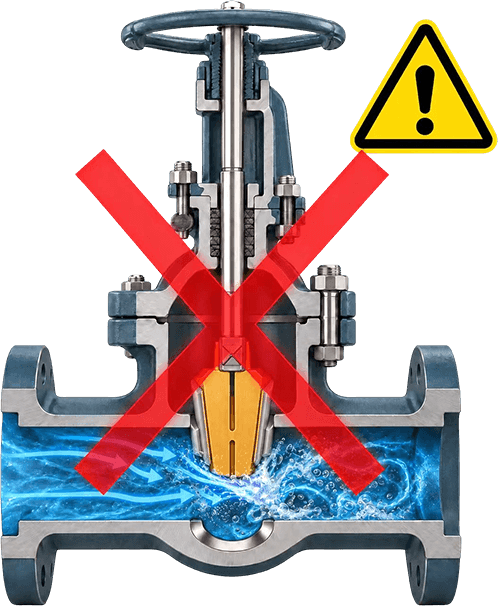
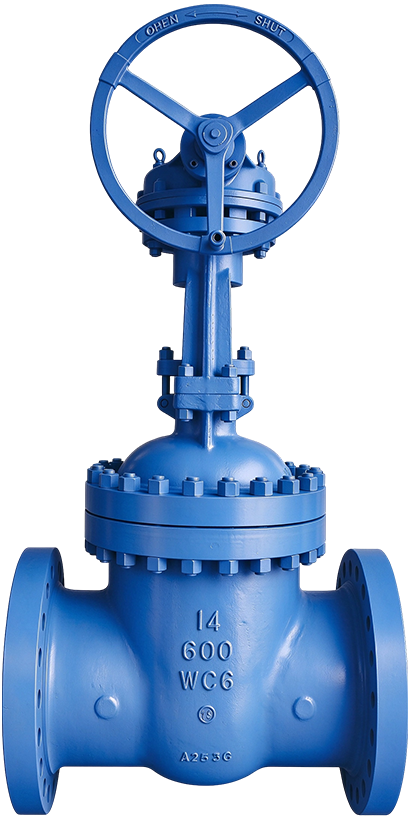
| TYPE | CONSTRUCTION | BEST SUITED TO | ENGINEERING NOTE |
| Integral Metal Seat | Seat surface formed or deposited directly in the body | Repair generally requires in-body machining or weld restoration. | Repair generally requires in-body machining or weld restoration. |
| Renewable Seat Ring | Threaded, welded or pressed separate metal seat ring | Refining, chemical, power and maintainable process service | Allows tailored seat alloy and replacement strategy. |
| Hardfaced Metal Seat | CoCr alloy, carbide or specified hardfacing on seat and gate | Erosion, high temperature, pressure cycling and severe service | Hardness differential and galling resistance require review. |
| Resilient Seat | Elastomer-coated gate or soft sealing element | Clean water, wastewater and low-temperature utilities | Temperature and chemical compatibility are limited by the elastomer. |



Inquiry