+86-15857877666
Home / Products / Ball Valve
INDUSTRIAL VALVE MANUFACTURER·SINCE 1992
Ball valves for decisive shut-off.
ANSI(API)、DIN、GOST、EN、JIS、GB etc.
Quarter-turn isolation, full-bore flow and engineered sealing for oil & gas,refining, chemical, power, water and pipeline projects-configured to yourpressure, temperature, medium and operating method.
Home / Products / Ball Valve
01 · Definition

WHAT IS A BALL VALVE?

BOYE VALVE GROUP CO., LTD.
A rotary valve built around a bored ball.
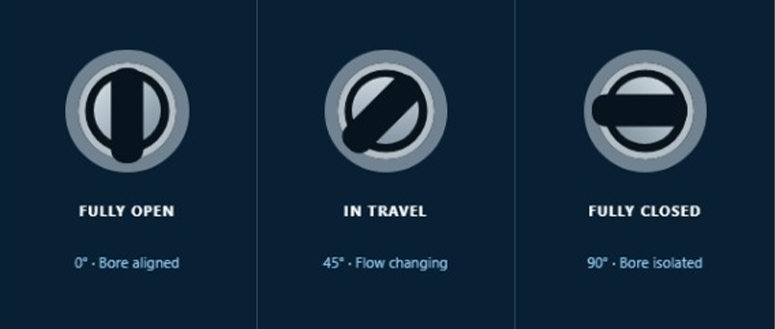
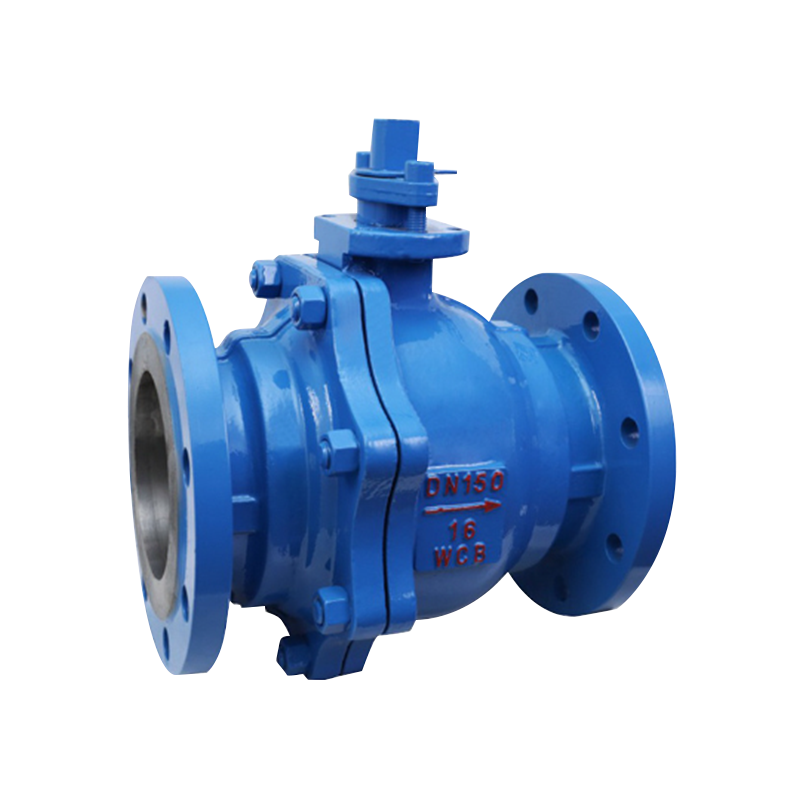
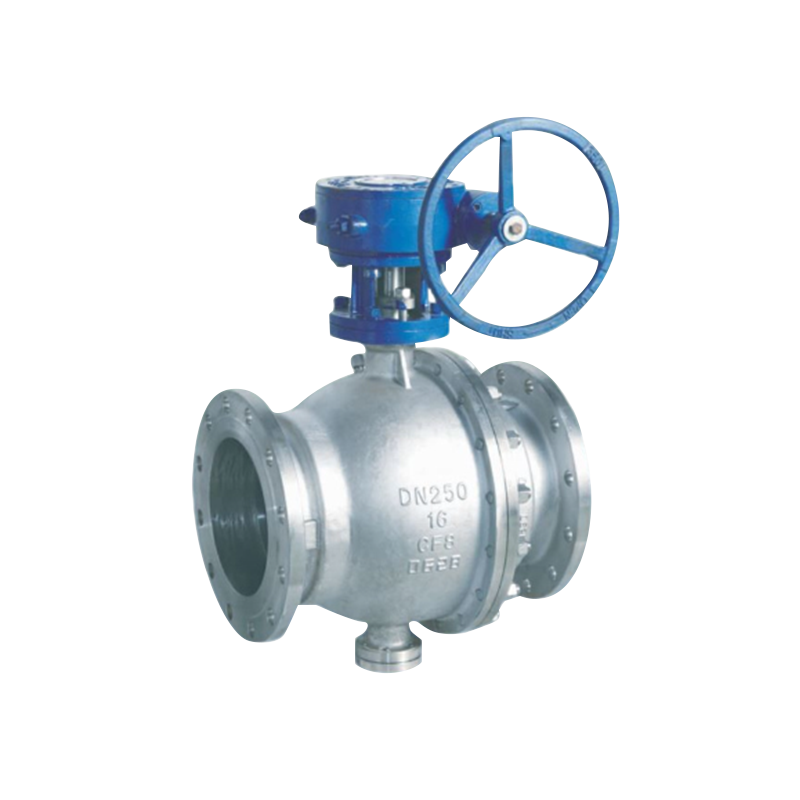
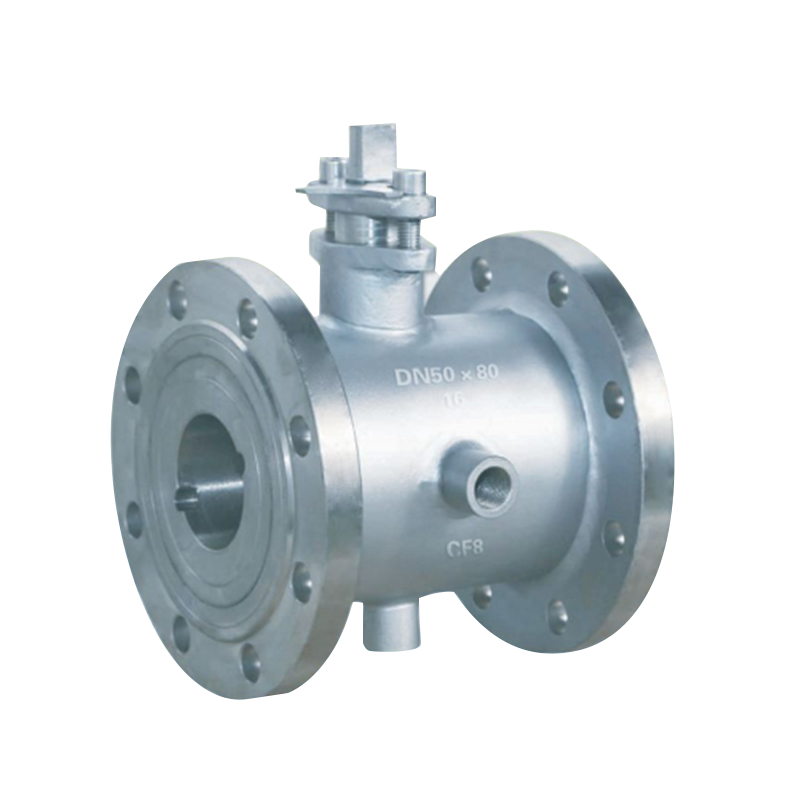
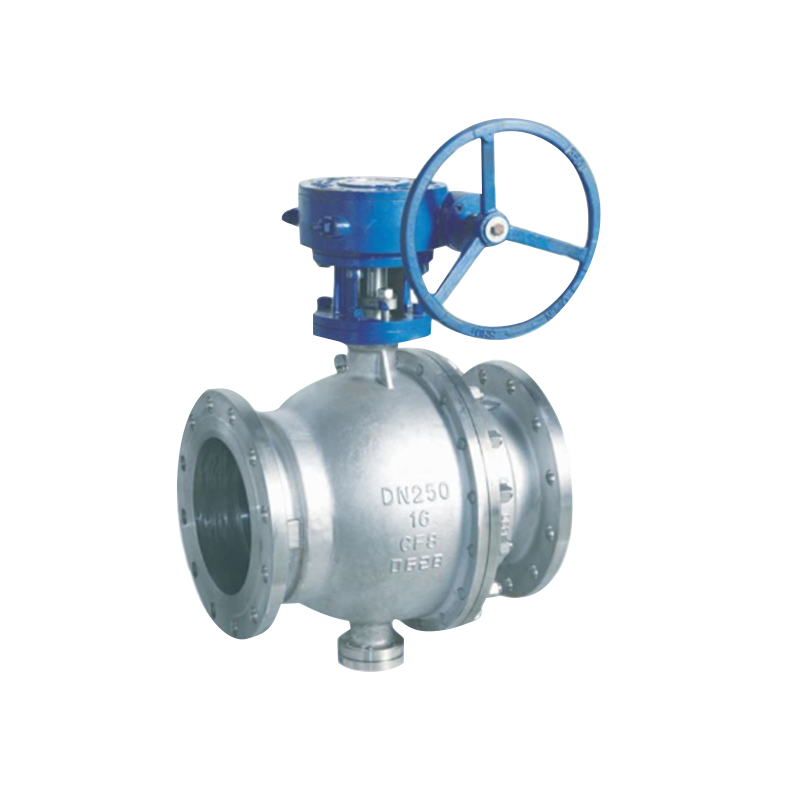
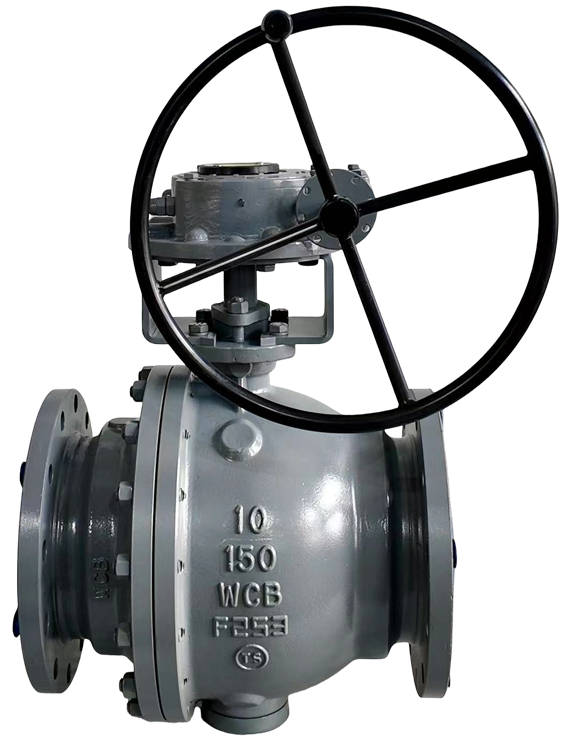
A ball valve uses a spherical closure element with a central bore. When the bore aligns with the pipeline flow, the valve is fully open; turning the stem 90 degrees, the bore aligns with the body, the valve is fully shut.
Unlike the linear travel of gate and globe valves, a ball valve completes its operating stroke in a quarter turn. This short, predictable motion suits both manual and automated isolation duties.
BOYE VALVE GROUP CO., LTD.
03 · Applications
Where are ball valves used?
Ball valves are selected where tight isolation, low torque, quarter-turn operation and compact installation are required. Common duty areas include:
  • Power Plant

    +

    Power Plant

    Provides high-pressure, high-temperature valve solutions for thermal and nuclear power plants, ensuring safe and stable steam and feedwater control.

    + Learn More
  • Water Conservancy

    +

    Water Conservancy

    Supplies large-diameter gate valves, butterfly valves, and check valves for water conservancy projects to ensure efficient water conveyance and flood control.

    + Learn More
  • Oil Industry

    +

    Oil Industry

    Delivers reliable pipeline valves for the oil industry, suitable for high-strength and corrosion-resistant requirements in crude oil extraction and long-distance transportation.

    + Learn More
  • Chemical

    +

    Chemical

    Manufactures acid and alkali resistant ball valves, globe valves, and check valves made of stainless steel and alloy materials, precisely controlling the flow of various corrosive media.

    + Learn More
  • New Energy

    +

    New Energy

    Focuses on high-purity and zero-leakage valves for new energy fields such as photovoltaics and hydrogen energy, meeting the stringent requirements of clean energy production.

    + Learn More
04 · VALVE CONSTRUCTION
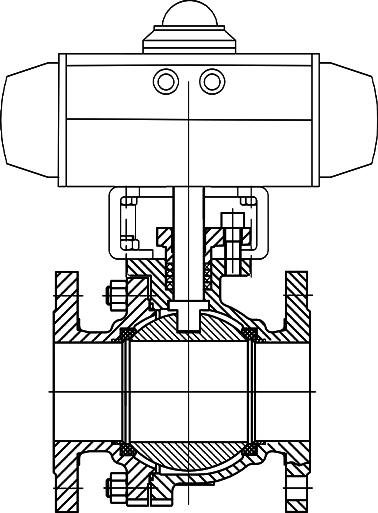
What are the main parts of a ball valve?
BOYE VALVE GROUP CO., LTD.
  • 01Stem
    Transmits the quarter-turn motion to the ball; anti-blowout design and fugitive emission control options.
  • 02Stem & Packing
    Stem sealing arrangement; packing material selected for temperature, chemical compatibility and emission requirements.
  • 03Ball
    Spherical closure element with a through bore; floats or trunnion-mounted depending on size and pressure class.
  • 04Body
    Pressure-retaining shell, cast or forged, material selected to suit the medium and environment.
  • 05Seat
    Sealing element against the ball; soft (PTFE, RPTFE, PEEK) or metal seated for high temperature and abrasive duty.
05 · Operating principle
How does a ball valve work?
  • 01
    Torque enters through the stem
    A lever, gearbox, electric, pneumatic or hydraulic actuator turns the stem.
  • 02
    The ball rotates through a quarter turn
    The bore moves from parallel to perpendicular, changing the available flow area.
  • 03
    The seat establishes shut-off
    At the closed stop, the ball surface seals against one or both seats according to the design.
  • 04
    Position is easy to verify
    Lever direction, gearbox indicator or actuator feedback identifies open and closed position.
06 · Operating principle
Why choose a ball valve instead of a gate or globe valve?
Ball valves are preferred for many duties because of the following advantages over gate and globe valves.
  • Quarter-Turn Speed
    Fast opening and closing, typically 90 degrees of rotation, ideal for emergency isolation and automated operation.
  • Low Pressure Loss
    Straight-through bore gives minimal flow resistance and lower pressure drop than globe valves.
  • Tight Isolation
    Soft or metal seating provides reliable bubble-tight shut-off, even after many cycles.
  • Compact Structure
    Short face-to-face dimension and low height, saving space in skids and pipelines.
  • Automation Ready
    Quarter-turn operation matches easily with pneumatic, electric and hydraulic actuators.
  • Bi-directional Options
    Sealing can be designed for bi-directional flow, and double block and bleed configurations.
  • Pipeline Pigging
    Full-bore design allows pigs and spheres to pass through, ideal for pipeline cleaning and inspection.
  • Broad Configuration Range
    Floating, trunnion, top-entry, welded, 3-way, V-port and cryogenic designs available.
  • Position Visibility
    Handle or actuator position gives clear visual indication of open/closed status.
07 · ENGINEERING COMPARISON
Which ball valve type fits your duty?
This table compares typical ball valve types by construction, service and best suited duty.
Valve Type Construction Service / Media Best Suited To
Floating Ball Ball supported by two seats, line pressure pushes ball into downstream seat Clean gas, water, oil, general service Small to medium sizes, moderate pressure
Trunnion-Mounted Ball supported by bearings at top and bottom, lower operating torque High pressure, large diameter, gas and oil Large sizes, high pressure, critical isolation
Metal-Seated Metal-to-metal sealing, hardfaced or solid metal seats High temperature, abrasive, slurry, dirty media Severe service, high temperature, abrasive duty
Soft-Seated PTFE, RPTFE, PEEK or similar soft seat inserts Clean media, tight shut-off, low temperature Bubble-tight isolation, clean fluids
V-Port V-shaped ball port, characterized flow Throttling, control, fibrous or slurry media Flow control, modulating service
Fully Welded Body and end connections welded, no body joint Buried, pipeline, high pressure gas Maintenance-free, buried, pipeline service
Three-Way L-port or T-port ball, three connections Diverting, mixing, switching flow paths Flow diversion, mixing, routing
Top-Entry Body split at top, access to internals without removing from line General service, maintenance access Easy maintenance, inline service
Cryogenic Extended bonnet, special materials, low-temperature testing LNG, liquid oxygen, liquid nitrogen Low temperature, cryogenic service
08 · PROCUREMENT CHECKLIST
What should you confirm before purchasing?
  • 01
    Port & duty

    Full bore or reduced bore? Isolation or control?

  • 02
    Pressure rating

    CLASS 150, 300, 600, 900, 1500, 2500 or PN rating?

  • 03
    Design standard

    API 6D, API 608, ISO 17292, GB/T 12237, etc.?

  • 04
    Materials & trim

    Body, ball, stem, seat, packing and gasket materials?

  • 05
    Connection & operation

    Flanged, welded, threaded? Manual, gear, electric, pneumatic?

  • 06
    Temperature & media

    Operating temperature, medium, corrosiveness, solids content?

  • 07
    End connection

    Flanged, butt weld, socket weld, threaded?

  • 08
    Codes & testing

    Fire-safe, anti-static, NACE, API 598, EN 12266-1?

  • 01 / REMOVABLE
    Flanged Ends
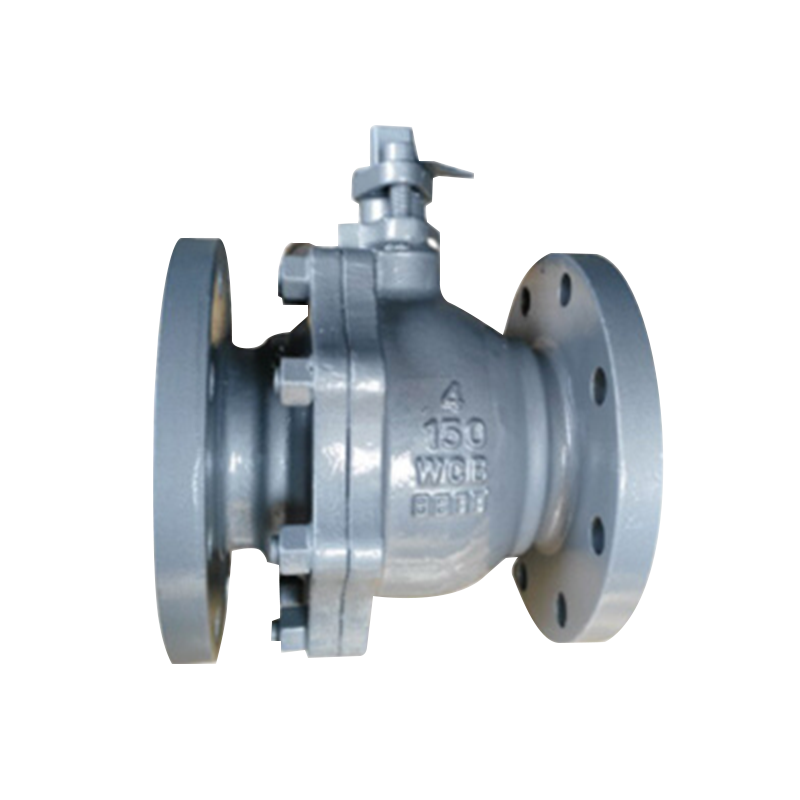
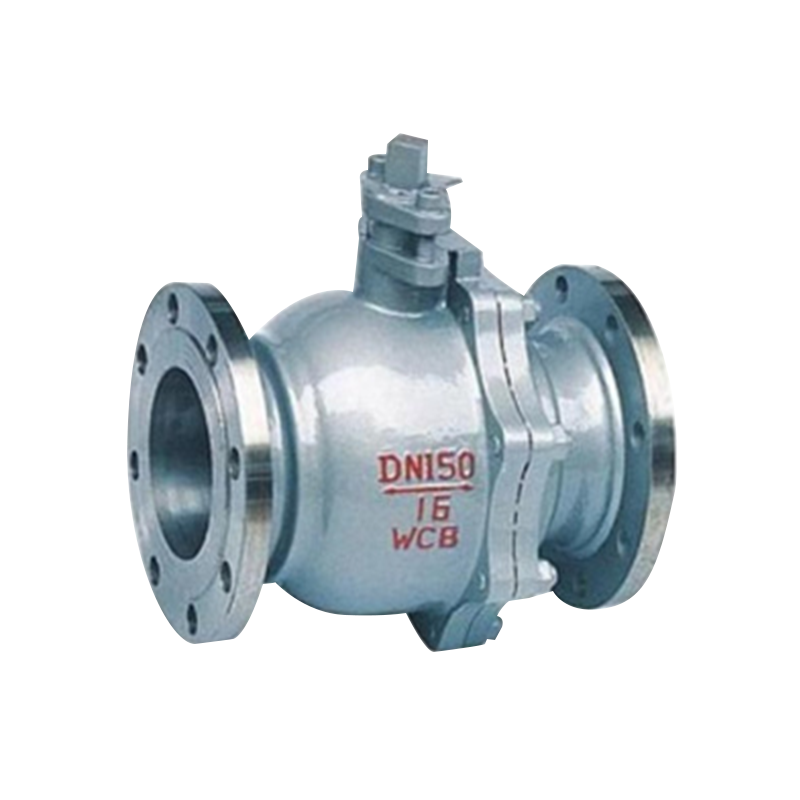
    Preferred where installation, inspection and removal are required. Specify flange standard, class, facing and bore.
  • 02 / PERMANENT
    Butt-Weld Ends
    Minimizes external leak paths in critical, high-pressure or buried service. Pipe schedule and end preparation are essential.
  • 03 / COMPACT
    Threaded Ends
    Used mainly on smaller utility and instrument lines. Thread form and sealing method must match the piping system.
  • 04 / SMALL BORE
    Socket-Weld Ends
    Provides a compact welded joint for high-pressure small-bore piping where threaded leakage risk is undesirable.
content
Click to consult BOYE’s exclusive quotation and get the industry-leading 30% performance improvement solution immediately!