English
 русский
 عربى
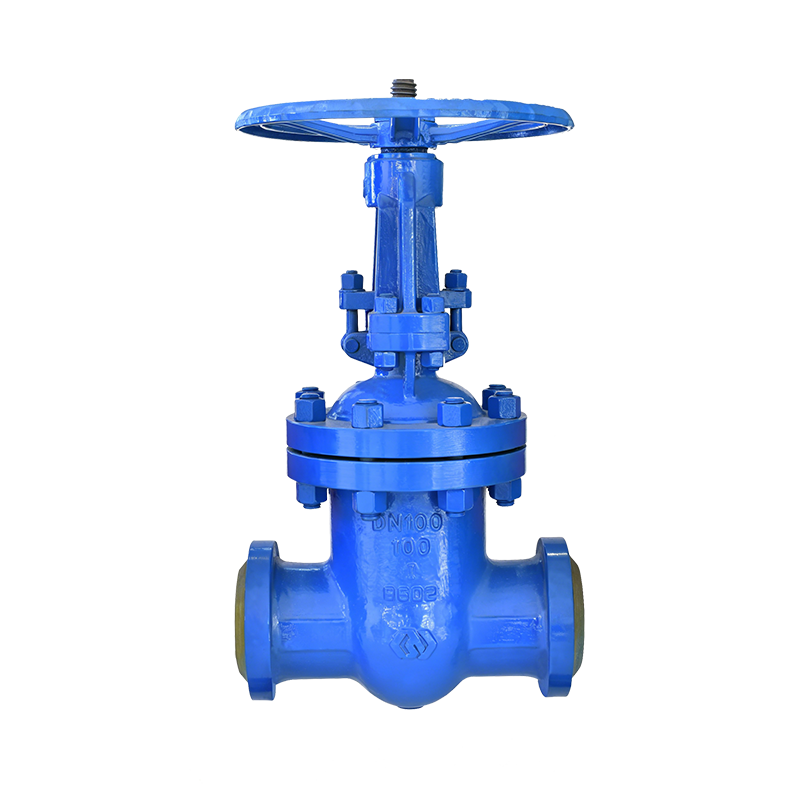
Industrial pipeline systems often operate under demanding pressure, temperature, and flow conditions. In oil and gas facilities, petrochemical plants, power stations, and other process industries, the reliability of every pipeline connection matters. Choosing the right Butt Weld Gate Valve is therefore not just a matter of selecting a valve size or pressure class. Engineers must also consider welding compatibility, material selection, installation procedures, and long-term maintenance. A well-matched valve can help create a reliable pipeline connection while meeting the technical requirements of the overall system.
1. Why Are Butt Weld Gate Valves Used in Industrial Pipelines?
Unlike flanged valves, which are connected using bolts and gaskets, butt weld gate valves are joined directly to the pipeline through welding. This connection method is commonly considered for permanent pipeline installations where a compact connection and reduced number of bolted joints are preferred.
In high-pressure process systems, welded connections can help reduce potential external leakage paths associated with detachable joints. They are particularly relevant to applications where pipeline integrity, space utilization, and connection stability are important considerations. However, the final connection method should always be evaluated against project specifications and maintenance requirements.
2. Match the Valve Design with the Applicable Standards
Standards compliance is an important part of industrial valve procurement. Depending on the valve design and application, buyers may encounter API 600, ASME B16.34, ASME B16.25, and ASME B16.10 in technical specifications.
These standards address different aspects of valve design and dimensions. For example, ASME B16.25 covers butt-welding end preparation, while ASME B16.10 addresses face-to-face and end-to-end dimensions for applicable valves. Buyers should verify which standards apply to the specific product instead of assuming that one standard covers every manufacturing and installation requirement.
3. Select Materials Based on Pressure and Temperature
Material selection directly affects valve performance under actual operating conditions. Carbon steel is commonly used in many industrial pipeline systems, while alloy steel and stainless steel may be considered for higher-temperature service or applications involving corrosive media.
Before confirming a purchase, engineering teams should evaluate:
- Operating pressure: Confirm the required pressure class and design conditions.
- Temperature range: Check material suitability under normal and expected operating temperatures.
- Fluid characteristics: Consider corrosion risks and compatibility with the process medium.
- Pipeline specifications: Match the valve material and welding ends with the connected pipe material.
Providing complete operating information helps manufacturers recommend an appropriate valve configuration.
4. Check Welding End Preparation Before Installation
One important detail in butt weld valve selection is the geometry of the welding ends. The end preparation must match the connected pipe's outside diameter, wall thickness, and specified welding requirements. Differences in bore dimensions or bevel preparation can create alignment difficulties and affect weld quality.
ASME B16.25 is commonly referenced for butt-welding end preparation. Before production, buyers should provide the relevant pipeline drawings or dimensional requirements so that the manufacturer can verify compatibility. This is particularly important for projects involving non-standard pipe schedules or special material combinations.
5. Prevent Heat Damage During Field Welding
Field welding requires careful control because excessive heat can affect valve components, sealing surfaces, and internal clearances. Welding procedures should be established according to the applicable project requirements and approved welding procedure specifications.
Installation teams should pay attention to several practical points:
- Use qualified welders and approved welding procedures.
- Follow the manufacturer's installation instructions regarding valve position and internal protection.
- Control heat input and interpass temperature as required by the applicable procedure.
- Apply post-weld heat treatment when required by the material and project specifications.
- Inspect the completed welds using the specified examination methods.
Buyers should also ask manufacturers for the allowable body temperature during welding and any required heat treatment to protect the valve's internal components.
6. Consider Inspection and Maintenance Requirements
Although welded connections are designed for permanent installation, maintenance planning should not be overlooked. Before selecting a valve, engineers should consider whether future removal or replacement will require pipeline cutting. Adequate installation space and access to the bonnet, stem, and operating mechanism are also important.
Depending on project requirements, procurement teams may request material traceability records, dimensional inspection reports, pressure test certificates, and applicable non-destructive examination documentation. Confirming these requirements before manufacturing helps simplify quality acceptance and project handover.
7. Choose a Manufacturer That Can Support Your Pipeline Project
For international buyers, choosing a suitable valve supplier involves more than comparing quotations. Manufacturing capability, technical communication, dimensional accuracy, quality control, and delivery coordination all contribute to a successful procurement process.
An experienced manufacturer should be able to review pipeline drawings, clarify welding-end dimensions, confirm material requirements, and provide technical documentation for the ordered configuration. This support is especially valuable for EPC contractors, engineering companies, and distributors managing different valve specifications across multiple projects.
Selecting the right Butt Weld Gate Valve requires careful consideration of connection dimensions, material compatibility, welding procedures, and inspection requirements. By addressing these details before ordering, buyers can reduce installation complications and improve pipeline system reliability. Working directly with a qualified valve manufacturer also helps ensure that the supplied valve is aligned with the project's technical specifications and intended operating conditions.